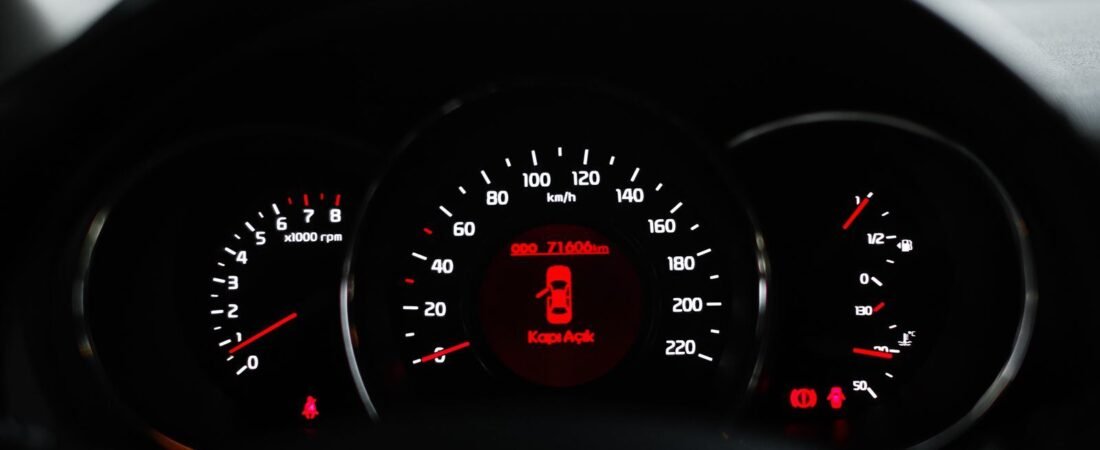
A light suddenly appears on your dashboard and you are not sure what it means. Is it safe to keep driving, or should you pull over right away? For many drivers, dashboard warning lights are one of the most confusing parts of owning a car. Some lights are simple reminders, while others warn of problems that can cause serious damage if they are ignored.
The good news is that you do not need to be a mechanic to understand them. Once you know how the colour system works and recognise the most important symbols, you can react calmly and make the right decision. This guide explains what the main warning lights mean and what to do when one appears.
Car Dashboard Warning Lights: Meanings, Colours and What to Do
Symbols can look slightly different from one manufacturer to another, so always treat your owner’s manual as the final word for your specific car. The AA also has a useful visual guide to dashboard warning lights. The explanations below cover the warning lights found on most modern cars and the safest general response to each one.
What Do Dashboard Warning Light Colours Mean?
Most cars use a simple colour code that works much like traffic lights. The colour tells you how urgent the message is, even before you know exactly what the symbol means.
Red Warning Lights: Stop Safely as Soon as You Can
A red light usually signals a serious problem or a safety risk. Examples include low oil pressure, engine overheating and brake system faults. When a red warning light comes on while you are driving, find a safe place to stop, switch off the engine if the manual advises it, and check the problem before going any further.
Amber or Yellow Warning Lights: Get It Checked Soon
Amber or yellow lights mean something needs attention, but it is not usually an emergency. Common examples are the check engine light, the ABS light and the tyre pressure warning. You can normally continue your journey with care, but you should book the car in for a check as soon as possible rather than waiting for the problem to get worse.
Green and Blue Lights: Information Only
Green and blue lights simply confirm that a system is switched on. Your indicators, sidelights and cruise control usually show in green, while the high-beam headlight symbol is normally blue. These lights are not warnings, so there is nothing to fix.
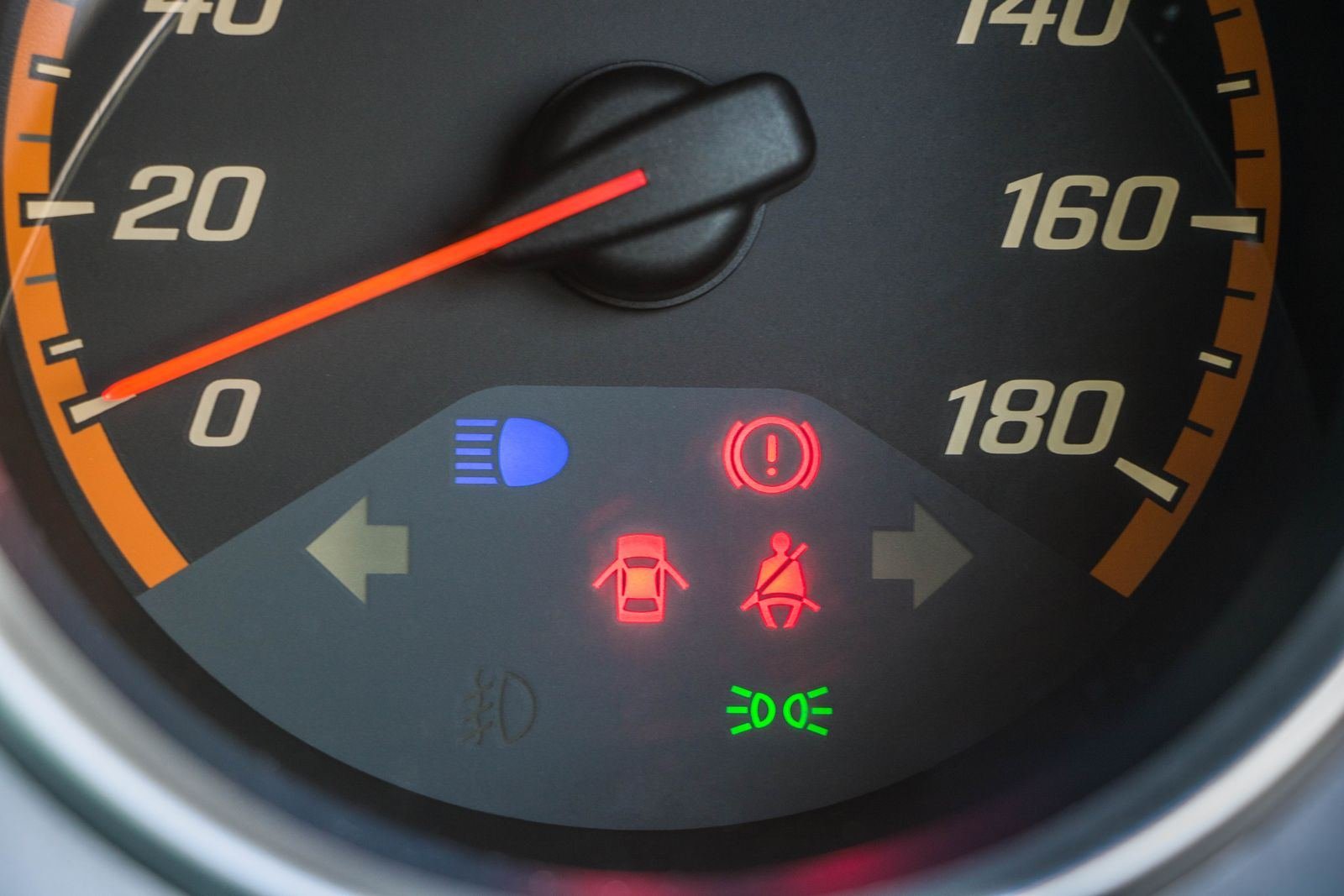
It is also normal for many warning lights to come on for a moment when you first switch on the ignition. This is a self-check of the bulbs and systems. They should go out within a few seconds or once the engine starts. A light that stays on after starting, or that never lights up during this check at all, is worth investigating.
The Most Important Dashboard Warning Lights and What to Do
These are the warning lights every driver should be able to recognise.
Oil Pressure Warning Light
This light usually looks like an old-fashioned oil can with a drip and is normally red. It means the engine is not getting enough oil pressure to lubricate its moving parts properly. Driving on with low oil pressure can damage an engine very quickly.
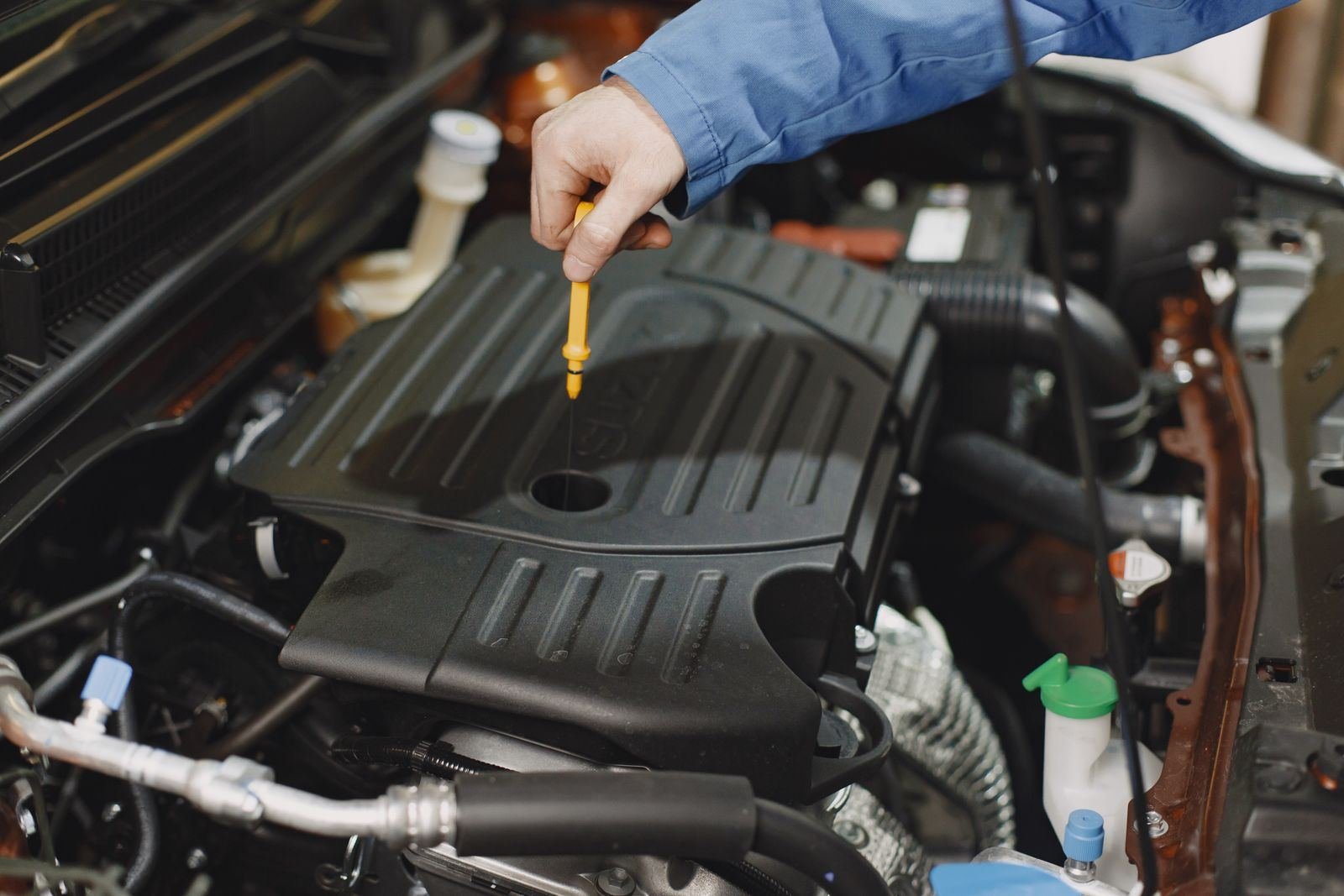
What to do: stop as soon as it is safe and switch off the engine. After a few minutes, check the oil level with the dipstick on level ground and top up with the correct oil if it is low. If the level is fine but the light stays on, do not keep driving. Call a mechanic or breakdown service instead.
Engine Temperature Warning Light
Shown as a thermometer sitting in wavy lines, this red light warns that the engine is overheating. Low coolant, a leak or a faulty fan or thermostat are common causes. Some cars also show a blue version of this symbol when the engine is still cold, which is not a fault.
What to do: pull over safely, switch off the engine and let it cool down. Never open the radiator or coolant cap while the engine is hot, because the system is under pressure and the coolant can cause serious burns. Once everything has cooled, check the coolant level and have the cooling system inspected.
Battery or Charging System Warning Light
This red light is shaped like a car battery, but it usually points to a problem with the charging system rather than the battery itself. A faulty alternator or a broken drive belt are common causes. The car may keep running for a while on battery power alone, but it can eventually lose power and stall.
What to do: switch off non-essential electrics such as the radio, heated seats and air conditioning, and head to a garage if one is close by.
Brake System Warning Light
This light normally shows an exclamation mark inside a circle, sometimes with the word BRAKE. It can mean the parking brake is still on, the brake fluid level is low or there is a fault in the braking system.
What to do: first make sure the parking brake is fully released. If the light stays on, or the brake pedal feels soft or spongy, do not continue your journey. Have the car checked before driving it again.
Check Engine Light
Usually amber and shaped like an engine outline, the check engine light (also called the engine management light) means the car’s computer has detected a fault in the engine or emissions system. The cause can be minor, such as a loose fuel cap on some cars, or more serious, such as a faulty sensor or ignition problem.
What to do: if the light is steady and the car drives normally, you can usually continue carefully and arrange a diagnostic check soon. If the light is flashing, it often means a severe misfire that can damage the catalytic converter. Reduce your speed, avoid hard acceleration and get the car checked as soon as possible.
ABS Warning Light
This amber light shows the letters ABS inside a circle. It means the anti-lock braking system has a fault and may not work. In most cars your normal brakes will still function, but the wheels could lock under heavy braking.
What to do: drive gently, leave extra distance from the car in front and have the system checked. If the ABS light and the red brake warning light come on together, treat it as a more serious brake problem and get the car inspected before driving further.
Tyre Pressure Warning Light
The tyre pressure monitoring system (TPMS) light looks like a cross-section of a tyre with an exclamation mark in the middle. It warns that one or more tyres are significantly under-inflated.
What to do: check all tyre pressures with a gauge, ideally when the tyres are cold, and inflate them to the figures in your owner’s manual or on the sticker inside the driver’s door frame or fuel flap. Look for nails, cuts or bulges, and repair any puncture before a long journey.
Airbag Warning Light
This light usually shows a seated person with a large circle in front of them, sometimes with the letters SRS. It means there is a fault in the airbag system, and the airbags may not deploy correctly in a collision.
What to do: the car can usually still be driven, but you should have the airbag system inspected promptly because it is a key safety feature.
A Simple Plan When Any Warning Light Comes On
- Check the colour: red means stop safely, amber means get it checked soon, and green or blue are for information only.
- Notice whether it is flashing: a flashing warning light is usually more urgent than a steady one.
- Read the owner’s manual: it shows exactly what each symbol means for your car and what the manufacturer recommends.
- Get the fault diagnosed: most modern cars have a diagnostic port that a mechanic can use to read stored fault codes. A code points to the problem area, but a proper inspection confirms the cause.
Frequently Asked Questions
Can I drive with the check engine light on?
If the light is steady and the car feels normal, you can usually drive carefully for a short time while you arrange a diagnostic check. If the light is flashing, or the car is losing power, shaking or making unusual noises, reduce your speed and get it checked as soon as possible.
Why did a warning light come on and then go off again?
Some faults are intermittent, so a light may appear and disappear. A loose fuel cap, a sensor issue or a drop in tyre pressure on a cold morning can all cause this. Even if the light goes out, the car may have stored a fault code, so it is worth having it read.
Can I reset a dashboard warning light myself?
Clearing a fault code does not fix the problem behind it, and the light will usually return. Some lights, such as the tyre pressure warning or a service reminder, can be reset by following the steps in your manual once the issue has been dealt with.
Is a service reminder light the same as a warning light?
No. A service reminder, often shown as a spanner or the word SERVICE, simply tells you that routine maintenance is due. It does not mean a fault has been detected, but you should still book the service on time.
Keep reading on The Motor Vision:
- Buying a used car? Our guide on how to avoid scams when buying a used car explains how a proper inspection and test drive can reveal problems a seller may not mention.
- If you are looking at Japanese auction cars, car auction grades explained shows you how to read an auction sheet and judge a car’s condition before you buy.
- Planning an import? Follow our step-by-step guide to importing a car from Japan, and have the car inspected once it arrives.
Conclusion
Dashboard warning lights are your car’s way of telling you that something needs attention. The colour gives you the first clue: red means stop safely, amber means get it checked soon, and green or blue are simply for information. Knowing the lights that matter most, such as oil pressure, engine temperature, battery and brakes, helps you react calmly instead of guessing.
Never ignore a warning light just because the car still seems to drive normally. A quick check today is usually cheaper and safer than a major repair later. Keep your owner’s manual in the car, take red warnings seriously and have amber warnings diagnosed promptly.