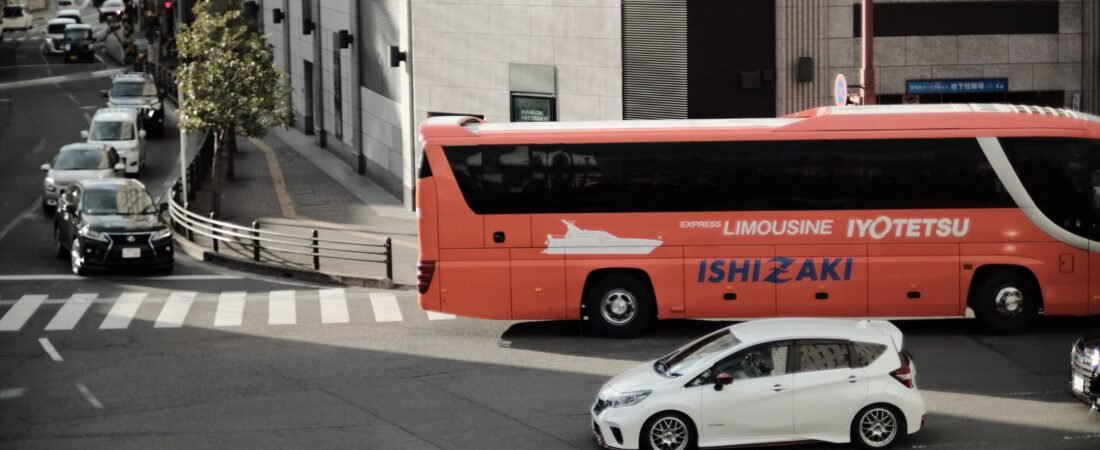
Japan is one of the best places in the world to buy a used car. Vehicles are generally well maintained, mileage is carefully recorded at the major auctions, and Japan’s strict and costly roadworthiness inspections (known as shaken) encourage many owners to sell cars that still have years of life left in them. The result is a huge supply of clean, reliable cars at attractive prices.
The catch is that importing one can feel complicated if you have never done it before. There are rules to check, fees to budget for, documents to collect and a ship to catch. The good news is that the process follows the same basic path wherever you live. In this guide, we walk you through how to import a car from Japan step by step, from checking your local rules to collecting the keys at the port.
How to Import a Car from Japan in 7 Simple Steps
Follow these seven steps in order and you will avoid the most common (and most expensive) mistakes first-time importers make.
Step 1: Check Your Country’s Import Rules
Before you fall in love with a car, find out what your country actually allows. Import rules vary widely, and a single rule can rule out a car instantly. Check these points first:
- Age limits: many countries cap how old an imported vehicle can be, or charge much higher duty on older cars.
- Steering side: Japan drives on the left, so most Japanese cars are right-hand drive. Some left-hand-drive countries restrict or ban them.
- Emissions and safety standards: the car may need to meet local standards or pass a compliance check.
- Duties and taxes: these are often based on engine size, age or the car’s value, and can change the total cost dramatically.
Your national customs authority’s website or a licensed clearing agent can confirm the current rules. Rules change from time to time, so always check them just before you buy. For example, see the UK government’s guide to importing vehicles into the UK or U.S. Customs and Border Protection’s guide to importing a car.
Step 2: Set a Realistic Budget
The auction price is only one part of what you will pay. A complete budget should include:
- The purchase price at auction or from a dealer
- The exporter’s or auction agent’s fee
- Inland transport in Japan from the auction yard to the port
- Export certificate and paperwork fees
- Ocean freight (RoRo or container) and marine insurance
- Import duty, taxes and port charges in your country
- Clearing agent fees, registration and any compliance work
A simple rule of thumb: keep a healthy margin on top of the car’s price so landing costs never catch you by surprise.
Step 3: Choose a Reputable Exporter
Most private buyers don’t bid at Japanese auctions directly. Instead, they work with an exporter or agent who holds auction membership and handles the buying, paperwork and shipping. A good exporter will:
- Give you access to live auction listings and stock
- Provide a full translation of the auction sheet, including the inspector’s notes
- Be transparent about every fee before you bid
- Have a registered business in Japan and reviews you can verify
Be wary of prices that look too good to be true, pressure to pay quickly, or sellers who won’t share the original auction sheet.
Step 4: Find the Right Car and Read the Auction Sheet
Decide on the make, model, year range, mileage and budget you want, then let your exporter search the auctions for matching cars. Before you bid, study the auction sheet closely: the overall grade, the interior and exterior grades, the damage map and the inspector’s handwritten notes. If you are new to auction sheets, our guide Car Auction Grades Explained shows you exactly how to read one.
Step 5: Bid, Pay and Secure the Car
Agree on a maximum bid with your exporter so you don’t overpay in the heat of the auction. Most exporters ask for a deposit before they bid on your behalf. If you win, you will receive an invoice for the balance, usually payable by bank transfer within a few days.
Always pay into the exporter’s company bank account, never a personal account, and keep copies of every invoice and receipt. You will need them at customs.
Step 6: Arrange Export Documents and Shipping
Once the car is paid for, your exporter deregisters it in Japan and prepares the export paperwork. The key documents usually include:
- Export Certificate (the deregistration certificate), often with an English translation
- Commercial invoice showing the price you paid
- Bill of lading, issued by the shipping line
- Pre-shipment inspection certificate, if your country requires one
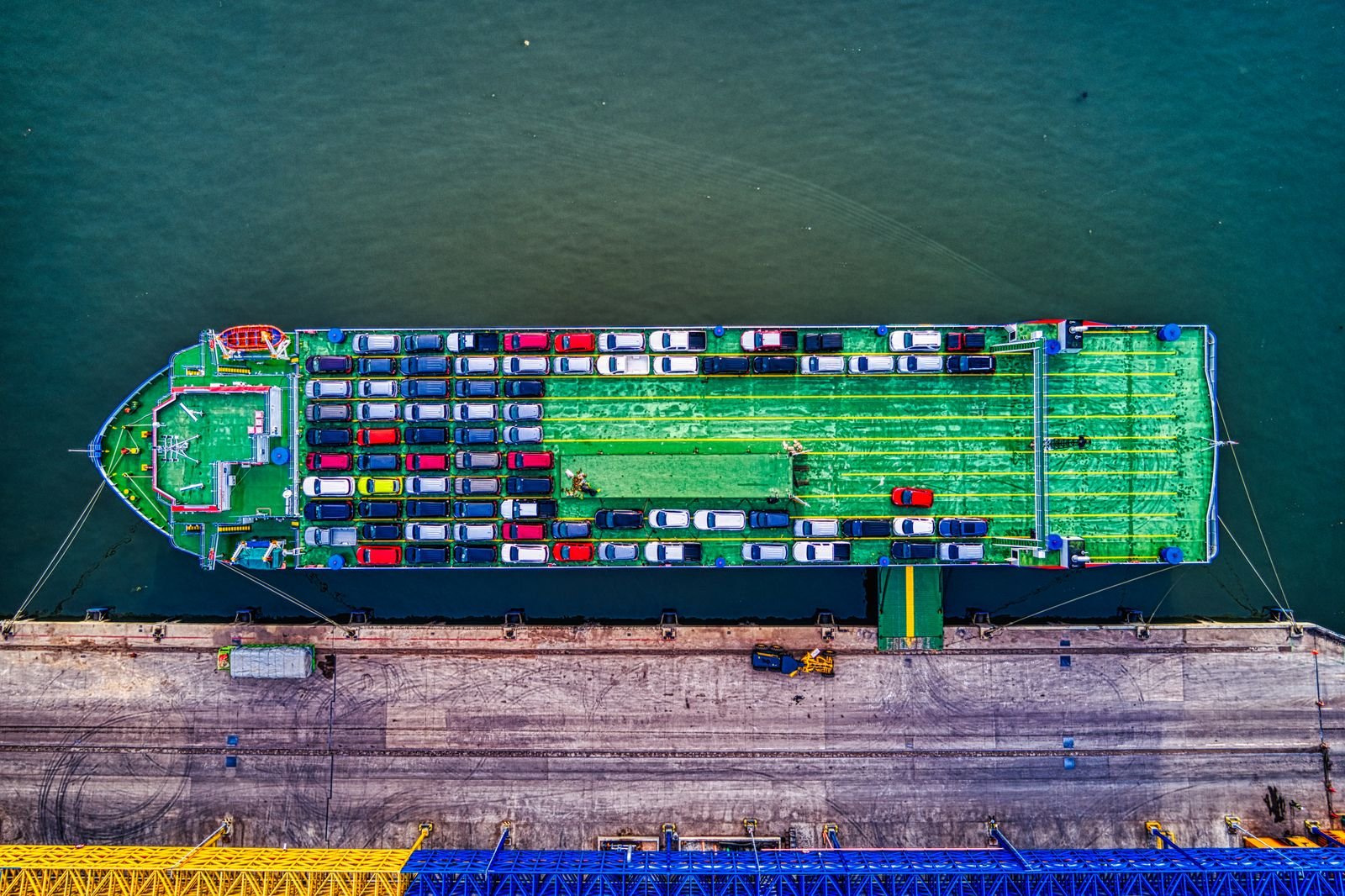
You will also choose how the car travels. RoRo (Roll-on/Roll-off) shipping is usually the cheapest option: the car is driven onto a specialised car carrier and secured on deck. Container shipping costs more but gives extra protection, lets you ship spare parts with the car, and is popular for high-value or classic vehicles. Ask your exporter for both quotes and the expected transit time to your port.
Step 7: Clear Customs and Register Your Car
When the ship arrives, the car must be cleared through customs. You (or your clearing agent) submit the shipping documents, pay the import duty and taxes, and the car may be physically inspected. Using a licensed clearing agent is strongly recommended for a first import, as they know the local process and can prevent costly port storage delays.
After clearance, complete local registration: arrange insurance, pass any roadworthiness or compliance test, and get your number plates. Once that is done, the car is legally yours to drive.
Frequently Asked Questions
How long does it take to import a car from Japan?
It depends on your destination and shipping schedules, but most buyers should plan for several weeks, often one to two months, from winning the auction to collecting the car. Customs delays or missing documents can add more time.
Is it cheaper to import a car from Japan?
Often, yes, especially for well-equipped models and Japanese-market (JDM) vehicles that are rare or expensive locally. However, it is only cheaper once every cost is counted, including shipping, duty, taxes and registration, so always compare the total landed cost with local prices.
Can I buy directly from a Japanese car auction?
Japanese auctions generally restrict bidding to registered members, which is why most overseas buyers use a licensed exporter or agent. The exporter bids on your behalf, handles payment and arranges shipping.
What is the difference between RoRo and container shipping?
RoRo ships carry cars driven on board like a floating car park and are usually the most affordable option. Container shipping places the car inside a sealed steel container, offering more protection at a higher price.
What documents do I need to import a car from Japan?
Typically the Export Certificate, commercial invoice, bill of lading and proof of payment, plus any inspection certificate or permits your country requires. Your exporter and clearing agent can confirm the exact list.
Can I import a right-hand-drive car into a left-hand-drive country?
It depends on local law. Some countries allow it freely, some only for older or classic vehicles, and some ban it entirely. Check with your customs or vehicle registration authority before you buy.
Keep reading on The Motor Vision:
- Not sure Japan is the right choice? Read why Japanese used cars are so popular worldwide.
- Before you bid, learn how to avoid scams when buying a used car.
- When your import arrives, follow our first 30 days checklist after buying a used car.
Conclusion
Importing a car from Japan is far less daunting once you break it into clear steps: check your local rules, budget for the full landed cost, choose a trustworthy exporter, read the auction sheet carefully, pay safely, ship with the right method and let a clearing agent handle customs.
Do your homework at each stage and you can drive away in a well-maintained, great-value Japanese car that would be hard to find locally. Take your time, ask questions, and never skip the auction sheet. That is the surest way to make your first import a success.