
If you have ever browsed Japanese used car listings, you have probably seen numbers like 4.5, letters like B, or cryptic codes such as A2 and U1. These are car auction grades, and they are one of the most useful tools a used car buyer has. Learn to read them and you can judge a car you have never seen in person with surprising accuracy.
In this guide, we break down what auction grades mean, how inspectors assign them, how to read an auction sheet, and the red flags that should make you walk away.
What Is a Car Auction Grade?
Every vehicle that passes through a major Japanese auction house, such as USS, TAA, CAA, JU or HAA, is checked by an independent inspector before it goes up for sale. The inspector records the car’s condition on an auction sheet and gives it an overall grade, plus separate grades for the interior and exterior.
Because the inspector works for the auction house rather than the seller, the grade is generally a more objective snapshot than a dealer’s description. It tells you, at a glance, how well the car has been kept, whether it has been repaired, and what kind of wear to expect.
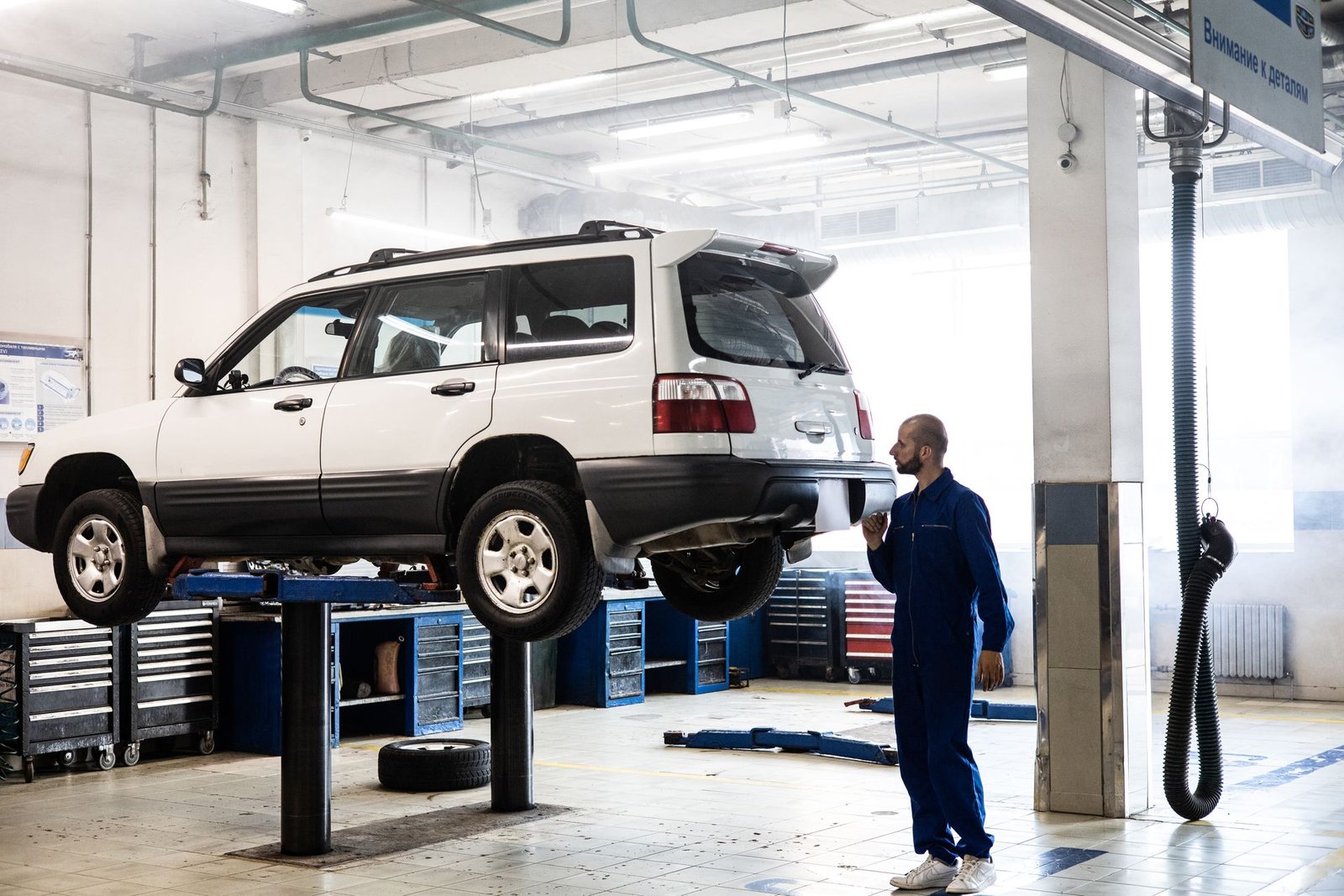
Overall Auction Grades at a Glance
Grading scales differ slightly between auction houses, but most follow the pattern below.
| Grade | What It Means | Typical Buyer |
|---|---|---|
| S / 6 | Brand new or nearly new, very low mileage, usually only a few months old | Buyers wanting showroom condition |
| 5 | Excellent condition, near-new, very low mileage, almost no visible flaws | Collectors and premium buyers |
| 4.5 | Very good condition, low mileage, only very minor marks | Buyers who want top quality at a fair price |
| 4 | Good condition, average mileage, small scratches or dents that are easy to fix | The best value for most everyday buyers |
| 3.5 | Fair condition, higher mileage, noticeable scratches, dents or wear | Budget buyers willing to do some cosmetic work |
| 3 | Below average, significant wear, may need paint or panel work | Buyers planning repairs or restoration |
| 2 | Poor condition, heavy wear, possible rust or corrosion | Parts buyers or project cars |
| 1 | Heavily modified, or possible flood or fire damage | Specialists and enthusiasts only |
| R / RA | Repaired accident history (RA usually means a minor repair) | Price-focused buyers who inspect carefully |
| 0 / *** / ungraded | Sold as is, often with major damage or not running | Mechanics, exporters and parts dealers |
Interior and Exterior Grades
Alongside the overall number, most auction sheets include two letter grades, one for the interior and one for the exterior.
- A – Excellent, like new
- B – Good, clean with only light wear
- C – Average, visible wear, stains or small marks
- D – Poor, needs cleaning or repair
- E – Very poor, significant damage or heavy wear
A car graded 4 / B is a common sweet spot: sound bodywork and a clean interior at a sensible price.
How to Read the Damage Map
Most auction sheets include a simple outline of the car, marked with letter-and-number codes that show exactly where the flaws are. The letter describes the type of damage and the number describes how serious it is, with 1 being minor and 3 being severe.
| Code | Meaning |
|---|---|
| A (A1–A3) | Scratch |
| U (U1–U3) | Dent |
| B (B1–B3) | Dent with a scratch |
| W (W1–W3) | Wave or ripple in the panel, often a sign of a previous repair |
| S / C | Rust / corrosion |
| P | Paint marks or faded paint |
| Y | Crack or hole |
| X / XX | Panel needs replacing / panel has already been replaced |
| G | Stone chip in the windscreen |
For example, A1 on a rear bumper is a light scratch that a detailer can polish out. U3 on a door is a large dent that will need panel work. A cluster of W and XX marks in one area suggests the car has been repaired after an impact, even if the overall grade is not R.
What Else Is on an Auction Sheet?
Beyond the grades, a full auction sheet usually shows:
- Mileage, often with a note if the odometer has been replaced or the reading is doubtful
- Year, model code and chassis number, which you can use to confirm the car’s identity
- Engine size, transmission and fuel type
- Equipment and options, such as navigation, sunroof, leather seats or alloy wheels
- Inspector’s notes, handwritten comments about smells, warning lights, noises, aftermarket parts or other issues
The inspector’s notes are often written in Japanese, so ask your exporter or dealer for a full translation. Some of the most important information about a car lives in those few lines.
Which Grade Should You Buy?
Grade 4 to 4.5: The Smart Choice for Most Buyers
For everyday driving, grades 4 and 4.5 offer the best balance of condition and price. These cars are generally well maintained, have reasonable mileage, and need little more than a detail or a small touch-up.
Grade 5 and S: When Only the Best Will Do
If you want a collectible, a near-new luxury car or a vehicle to keep for many years, a grade 5 or S car is worth the premium. Expect to pay noticeably more, and expect more competition at auction.
Grade 3 to 3.5: Good Value If You Know What You’re Getting
Grade 3.5 cars can be excellent value, especially for older models where a perfect example is hard to find. Budget for cosmetic repairs and read the damage map carefully.
Grade R and RA: Proceed with Care
A repaired car is not automatically a bad buy. An RA car with a replaced bumper or door can be perfectly sound and much cheaper. Just make sure you know exactly what was repaired, and avoid cars with structural or chassis repairs unless you are an experienced buyer.
Red Flags to Watch For
- A grade of 1, or notes mentioning flood, water or fire damage
- Odometer notes such as “mileage unknown” or “meter replaced”
- Multiple W, X or XX marks on structural areas
- Rust (S or C) on the underbody or around the wheel arches
- An auction sheet the seller will not share, or one that looks edited
Always ask for the original auction sheet and check it against the chassis number. Several independent services let you verify auction records, and a reputable exporter will be happy to help.
Keep reading on The Motor Vision:
- Wondering why so many buyers choose Japan? Read why Japanese used cars are so popular worldwide.
- Found a car with a good grade? Our guide on how to import a car from Japan walks you through the rest of the process.
- Once your car arrives, use our first 30 days checklist after buying a used car to get it road-ready.
Final Thoughts
Car auction grades take much of the guesswork out of buying a used vehicle from overseas. Once you understand the overall grade, the interior and exterior letters and the damage map, you can compare cars quickly and spot problems before you pay.
Our advice: aim for a grade 4 or 4.5 car with a B interior for the best everyday value, always read the inspector’s notes, and never buy without seeing the verified auction sheet. With those habits, you will be buying with far more confidence than most used car shoppers.