Buying a used car is one of the smartest ways to save money on your next vehicle. You skip the steepest part of depreciation and often get a lot more car for your budget. Unfortunately, the used car market also attracts scammers. Fake online listings, rolled-back odometers, hidden accident damage and dodgy payment requests catch out buyers every day, and once your money is gone it is very hard to get back.
The good news is that almost every used car scam follows a few predictable patterns. If you know the warning signs and run some simple checks before you hand over any money, you can buy with confidence. This guide shows you exactly what to look for, whether you are buying from a dealer, a private seller, an online marketplace or even an importer.
How to Protect Yourself When Buying a Used Car: 7 Essential Checks
Work through these checks before you pay a single deposit. Each one takes only a few minutes, and together they rule out the vast majority of scams. If you are still deciding what type of car to buy, start with our guide on how to choose the right car for your lifestyle.
Check 1: Make Sure the Seller Is Who They Say They Are
Many scams start with a seller who is not genuine: a fake dealer, someone selling a car they do not own, or a “private seller” who is really a trader avoiding consumer laws. Before you get attached to a car, check out the person or business selling it.
- Dealers: look for a real business address, a working phone number and independent reviews on sites other than their own website.
- Private sellers: view the car at the seller’s home address, and check that their name and address match the registration documents.
- Online listings: be cautious of new profiles, sellers who only want to talk by text or email, and the same photos appearing in several adverts.
- Imported cars: if you are buying from an overseas exporter, confirm the company is registered and has a verifiable track record before you pay anything.
If a seller avoids basic questions about who they are or why they are selling, walk away. A genuine seller expects buyers to ask.
Check 2: Be Suspicious of Prices That Are Too Good to Be True
Scammers know that a low price makes buyers drop their guard. Before you get excited about a bargain, compare the asking price with similar cars of the same make, model, year, condition and mileage on several trusted websites.
- Unrealistically low prices: a car listed far below the market price for the same spec is the biggest single red flag.
- Pressure to pay now: “I have three other buyers, pay today and it’s yours” is a classic tactic to stop you from doing your checks.
- A sad story: sellers who claim they are moving abroad, posted overseas or selling a late relative’s car, and so cannot show it in person, are a very common scam pattern.
A genuine bargain usually has a clear reason behind it, such as high mileage, an older model or cosmetic damage. If there is no obvious reason, be careful.
Check 3: Never Pay Before You See the Car
One of the most common online scams is the deposit scam. The seller asks for a deposit, a “holding fee” or payment through a delivery or escrow service before you have seen the car, and then disappears.
- See the car in person, or send someone you trust, before paying anything.
- Be very wary of sellers who insist the car is already with a shipping or delivery company.
- Only use escrow or delivery services you have found and checked yourself, never one suggested by a link from the seller.
A real seller of a real car will be happy for you to come and see it.
Check 4: Check the Paperwork and Vehicle History
A car’s documents tell its story, and that story should be consistent. Fake or missing paperwork can mean the car is stolen, cloned, still under finance or hiding a serious accident.
- Match the VIN: make sure the vehicle identification number (VIN) on the car, usually on the dashboard and door frame, matches the registration document exactly. In the US, a free NICB VINCheck shows whether the car has been reported stolen or written off by participating insurers.
- Run a history check: use a vehicle history service in your country to check for outstanding finance, theft records, write-offs and previous damage.
- Ask for service records: a stamped service book or invoices from garages help show the car has been looked after.
- Imported cars: ask for the original auction sheet if the car came through an auction. Our guide to car auction grades explains how to read one.
If the paperwork is missing, incomplete or does not match the car, stop before you go any further.
Check 5: Confirm the Mileage Is Genuine
Odometer rollback, also called “clocking”, makes a car look less used than it really is and can add a lot to the price. Digital odometers can be altered too, so do not assume a modern car is safe.
- Compare the mileage with old MOT, inspection or service records, which usually note the reading at each visit.
- Look for wear that does not match the claimed mileage, such as a shiny steering wheel, worn pedals or a sagging driver’s seat on a “low-mileage” car.
- Be suspicious if the service history suddenly stops or the mileage goes down between two records.
Small details like these are hard to fake and can tell you a lot about how a car has really been used.
Check 6: Get an Independent Inspection and Test Drive
Photos and a quick look can hide a lot, including rust, flood damage and poor accident repairs. For any car you are serious about, it is worth paying for an independent inspection.
- Choose a mechanic or inspection service with no connection to the seller.
- Ask for a written report covering the engine, gearbox, brakes, suspension, underbody and any signs of previous repairs.
- Take a proper test drive on different types of road, and listen for knocks, warning lights or pulling to one side.
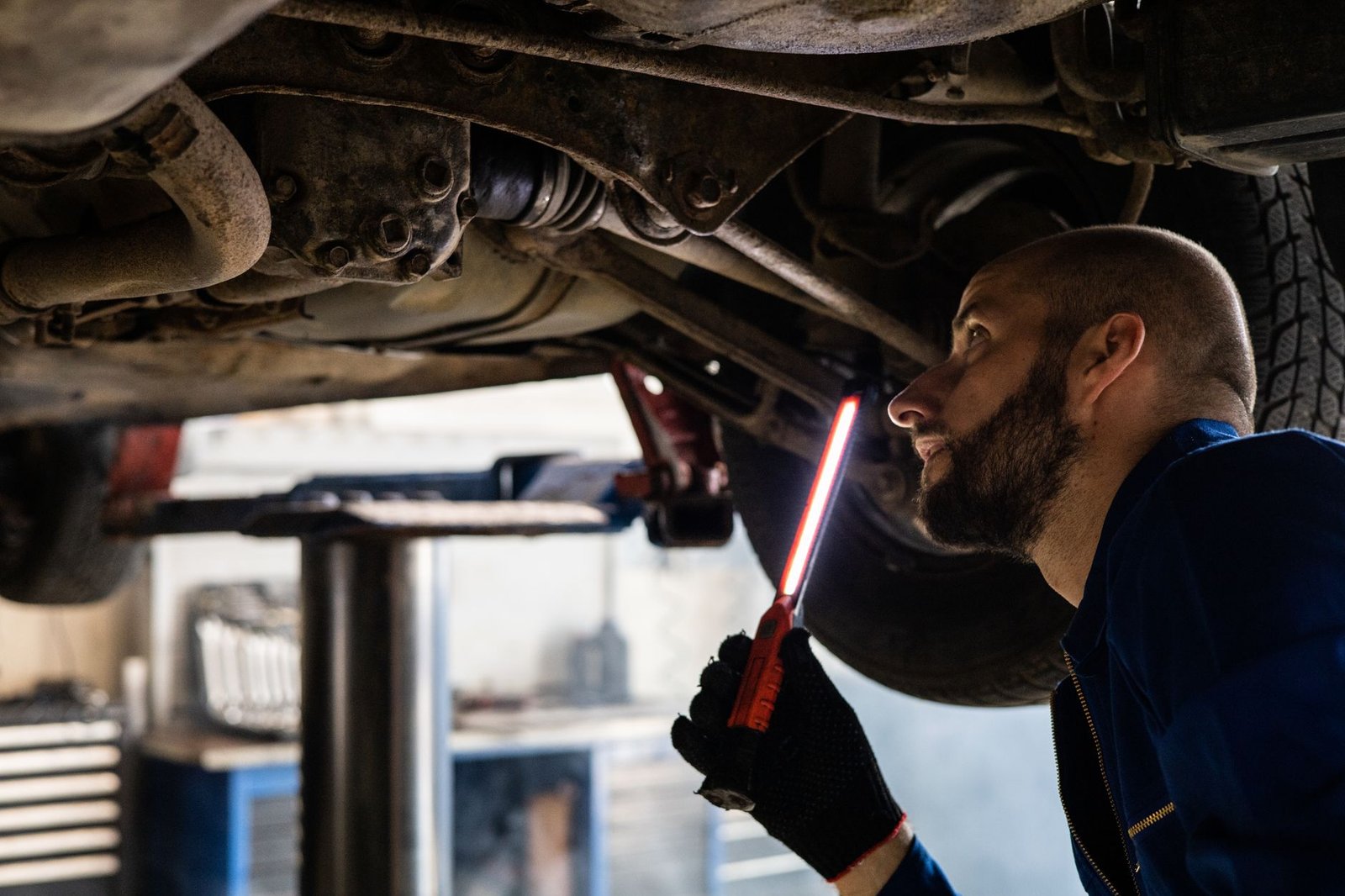
An inspection costs very little compared with buying a car that needs expensive repairs.
Check 7: Pay Safely and Get a Written Receipt
How you pay matters as much as who you pay. Many used car scams come down to a buyer sending money somewhere they should not, or a seller being paid with a fake payment.
- Use traceable payments: a bank transfer to an account in the seller’s or company’s own name is safer than cash. Never pay into an account belonging to someone else.
- Avoid risky methods: cryptocurrency, gift cards and money transfer apps are almost impossible to recover if something goes wrong.
- Double-check bank details: if you receive a message saying the seller’s “bank account has changed”, call them on a number you already trust before paying.
- Get it in writing: ask for a receipt showing the car, VIN, price, date and both parties’ names and signatures.
Frequently Asked Questions
What are the most common used car scams?
The most common scams are fake online listings that ask for a deposit, odometer rollback, cars with hidden accident or flood damage, cars that are still under finance or stolen, and payment scams where bank details are changed at the last minute.
Is it safer to buy a used car from a dealer or a private seller?
Both can be safe. A reputable dealer usually gives you more legal protection and sometimes a warranty, while a private sale is often cheaper. Whichever you choose, run the same checks on the seller, the paperwork and the car itself.
How can I tell if a car’s mileage has been tampered with?
Compare the odometer reading with old inspection, MOT or service records, and look for wear that does not match the mileage. A gap in the service history or a reading that goes down between records is a strong warning sign.
Should I ever pay a deposit before seeing a car?
It is best not to. If you must reserve a car, only pay a small amount to an established, verified dealer, pay by a traceable method and get a written receipt.
Are cheap used cars always a scam?
No. Older cars, high-mileage cars and cars with cosmetic damage can be legitimately cheap. The warning sign is a price far below similar cars with no clear reason for it.
What should I do if I think I have been scammed?
Contact your bank immediately to ask whether the payment can be stopped or recalled, keep every message and record of payment, and report the fraud to your local police and to the website where the car was listed.
Conclusion
Buying a used car is still one of the best ways to get a reliable vehicle at a fair price. Scams do exist, but they almost always rely on buyers skipping basic checks: an unverified seller, a price that seems too good to be true, missing paperwork or an unusual payment request.
Take your time, see the car in person, check the history and mileage, get it inspected and only pay by a safe, traceable method. Do that and you will be far better protected. And if you are thinking of buying from abroad, follow our step-by-step guide to importing a car from Japan.