
Buying a car for the first time can be exciting, but the number of choices can quickly become confusing. Sedan or SUV? Petrol, hybrid, or electric? New or used? And then there are features, fuel costs, maintenance, insurance, and resale value to think about.

The easiest way to narrow things down is to stop searching for the “best car” and start looking for the right car for your lifestyle. A vehicle that works perfectly for one person may be completely impractical for someone else.
Here’s how to make a smarter choice without overcomplicating the process.
Start With How You Actually Use a Car
Before comparing brands and models, think about what a normal week looks like for you.
If most of your driving involves short city trips, school runs, shopping, or commuting to work, a compact car or fuel-efficient hybrid may make more sense than a large SUV. Smaller cars are generally easier to park and maneuver through busy streets.
For someone who regularly travels with family, passenger space becomes much more important. A spacious sedan, crossover, or SUV can provide extra legroom and luggage capacity. If you frequently travel on highways or take long road trips, comfort, stability, fuel economy, and safety features should move higher on your priority list.
Your location matters too. Drivers dealing with narrow streets and limited parking have very different needs from people regularly driving on rough roads or carrying large amounts of luggage.
Set a Realistic Car Budget
The purchase price is only the beginning of the cost of owning a car.
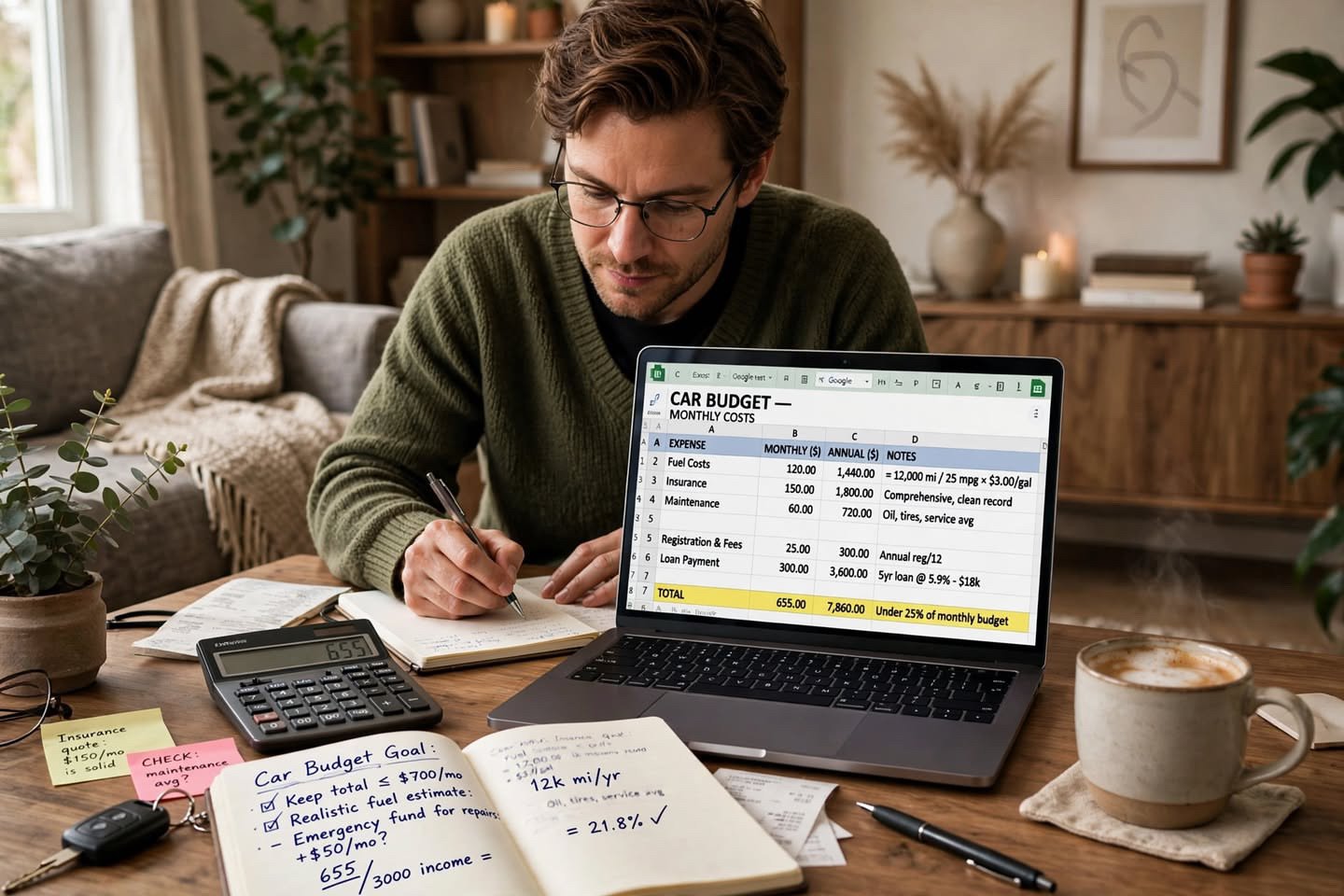
Before deciding what you can afford, consider fuel, routine maintenance, insurance, registration, tyres, repairs, and possible financing costs. A car with an attractive purchase price can become expensive if parts are difficult to find or fuel consumption is high.
This is especially important when buying a used car. Leaving some money aside for initial maintenance is sensible, even if the vehicle appears to be in excellent condition.
Fuel economy deserves attention if you drive frequently. Petrol cars remain a familiar option, while hybrid cars can be attractive for buyers focused on reducing fuel consumption. Electric vehicles may also suit some drivers, but access to reliable charging should be considered before buying one.
Choose Features You Will Actually Use
Long feature lists can make a vehicle look impressive, but more technology does not automatically make it the right choice.
Start with practical features. Depending on your needs, these might include parking cameras, parking sensors, adaptive cruise control, smartphone connectivity, comfortable rear seats, sufficient boot space, or modern driver-assistance systems.
Safety should receive particular attention. When comparing cars, research available airbags, braking technology, stability control, child-seat compatibility, and other safety equipment for the specific model and year you are considering.
If you’re looking at Japanese used cars or JDM cars, check the exact specification rather than assuming every version of a model has the same equipment. Trim levels and features can vary considerably.
Compare Cars Before Making Your Decision
Once you understand your needs, create a shortlist of two or three cars rather than trying to compare dozens at once.
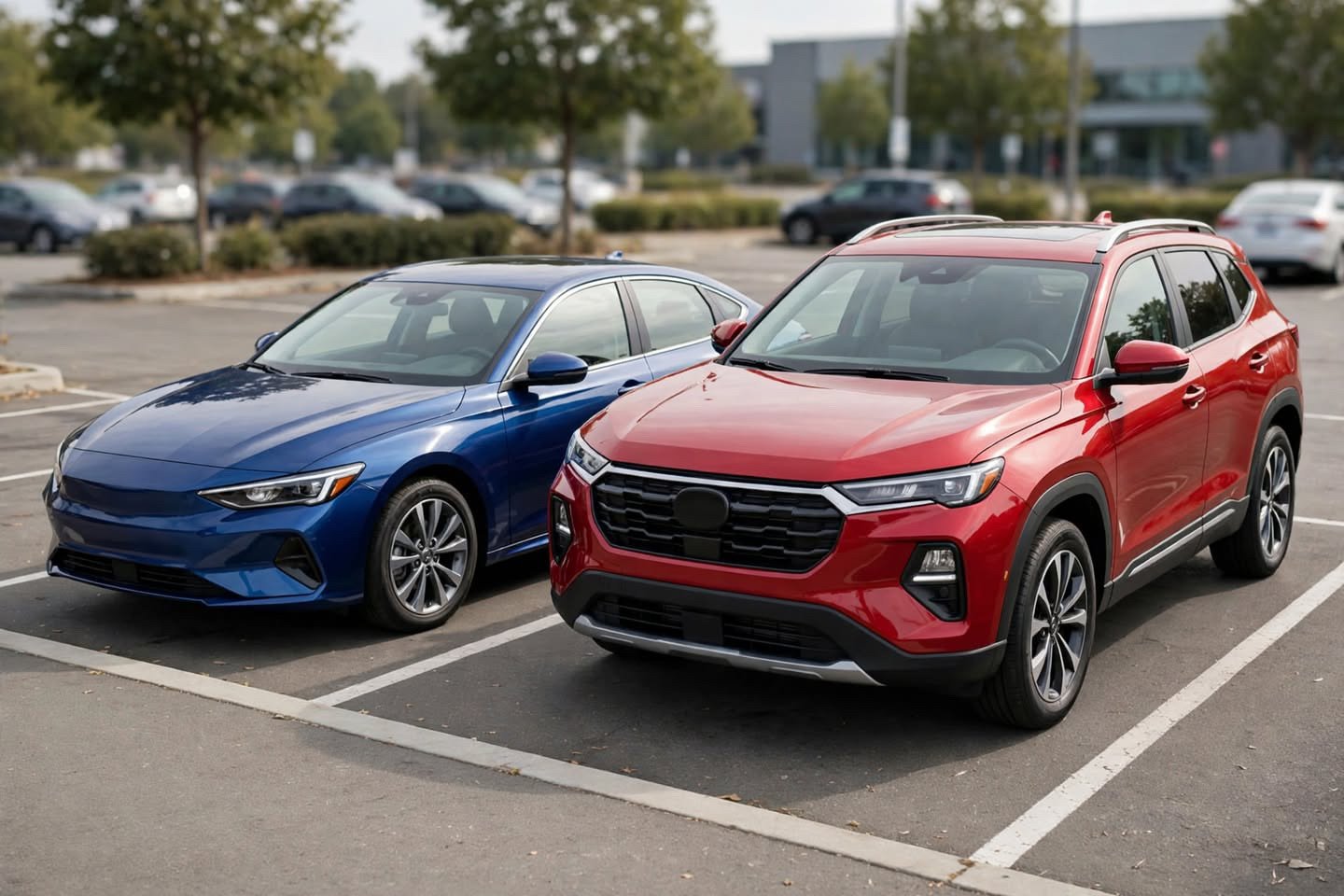
Look at their purchase price, fuel economy, maintenance requirements, interior space, safety equipment, parts availability, and likely resale demand. For used vehicles, service history and overall condition should usually matter more than appearance alone.
A test drive is also worth the time. Check visibility, seating position, steering, braking, cabin noise, and how comfortable the car feels in everyday driving. Something that looks ideal online may feel completely different from behind the wheel.
Frequently Asked Questions
What type of car is best for city driving?
For city driving, a compact car or hybrid is usually best. It is easier to park, uses less fuel in traffic, and is easier to maneuver in narrow streets.
Is a hybrid better than petrol for beginners?
Hybrids can save fuel if you drive daily in the city. Petrol cars are simpler and often cheaper to buy and maintain. Choose based on your daily mileage and budget.
Should I buy a new or used car as my first car?
A used car with full service history is often better value for beginners. It costs less, insurance is lower, and you avoid the biggest depreciation in the first years.
Keep reading on The Motor Vision:
- Found a car you like? Read how to avoid scams when buying a used car before you hand over any money.
- Just bought one? Our first 30 days checklist after buying a used car covers paperwork, simple checks and the first service.
- New to driving? Dashboard warning lights explained shows which lights need urgent attention.
—–
Choosing the right car for your lifestyle is ultimately about being realistic. Think about where you drive, who travels with you, what you can comfortably afford, and which features genuinely make your daily driving easier.
The right choice does not need to be the biggest, fastest, or most expensive car. It simply needs to fit your life—and that is usually what makes a car satisfying to own for years.